The Treasure Valley is getting older
Boise's median age has climbed from 32.8 in 2000 to 39 in 2023, and Eagle's is over 46 (BoiseDev). More people want to stay in the homes they love instead of moving, and the stairs are usually the first obstacle.
Side by side
| Stairlift | Home elevator | |
|---|---|---|
| Construction | None. Mounts to the stairs | Shaft, pit and electrical |
| Install time | Hours to a day once ready | About a week once the shaft is ready |
| Wheelchair or walker | No. The rider transfers to the seat | Yes |
| Floors served | One staircase per lift | Every level |
| Carries groceries and laundry | Not really | Yes |
| Relative cost | Lower | Higher |
Which works in your kind of house
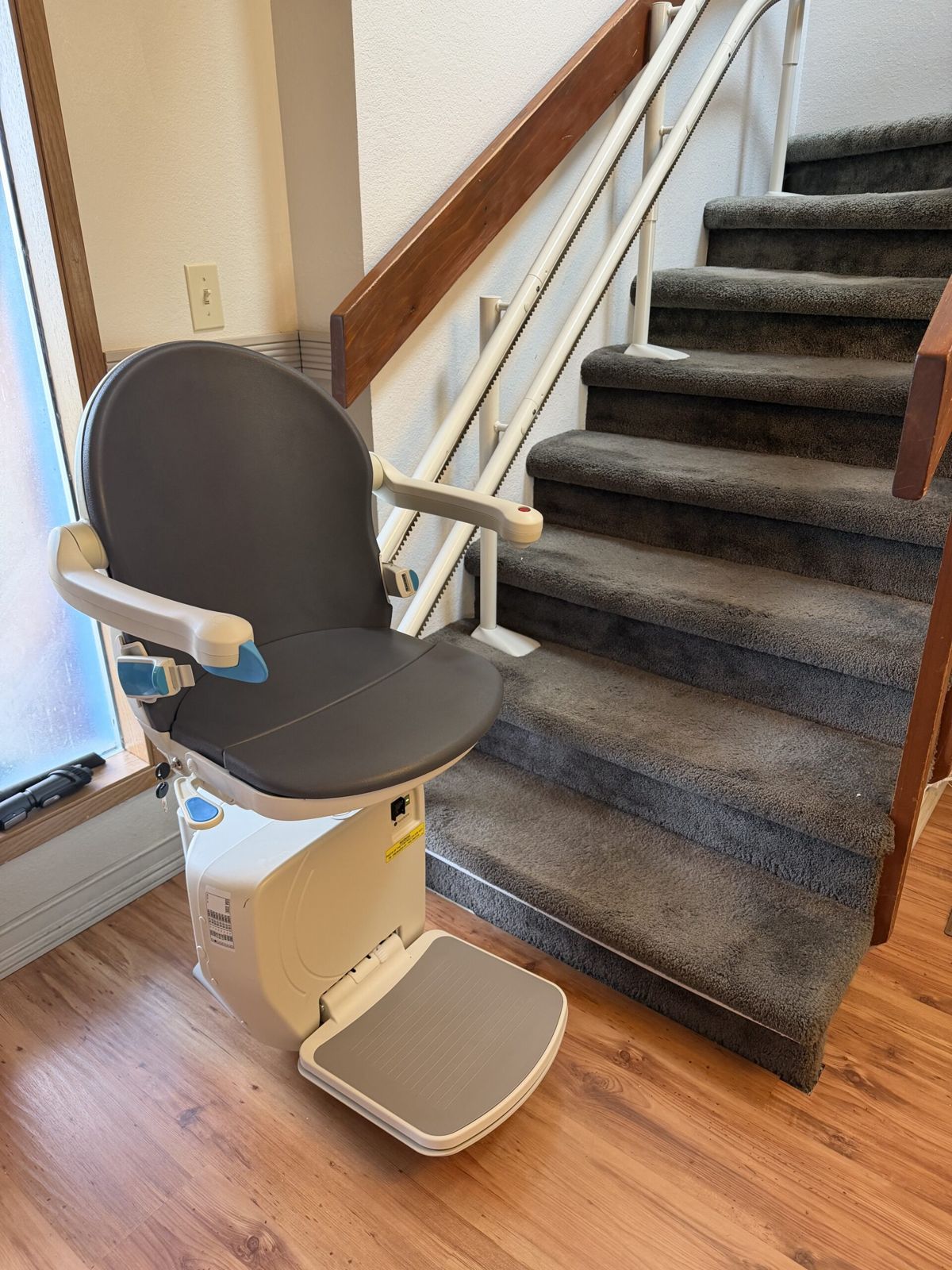
North End and East End bungalows. Older homes often have steep, narrow stairs to a basement or half-story. A straight stairlift usually fits, or a curved rail if the stairs turn. An elevator is possible but harder to fit in a compact older home.
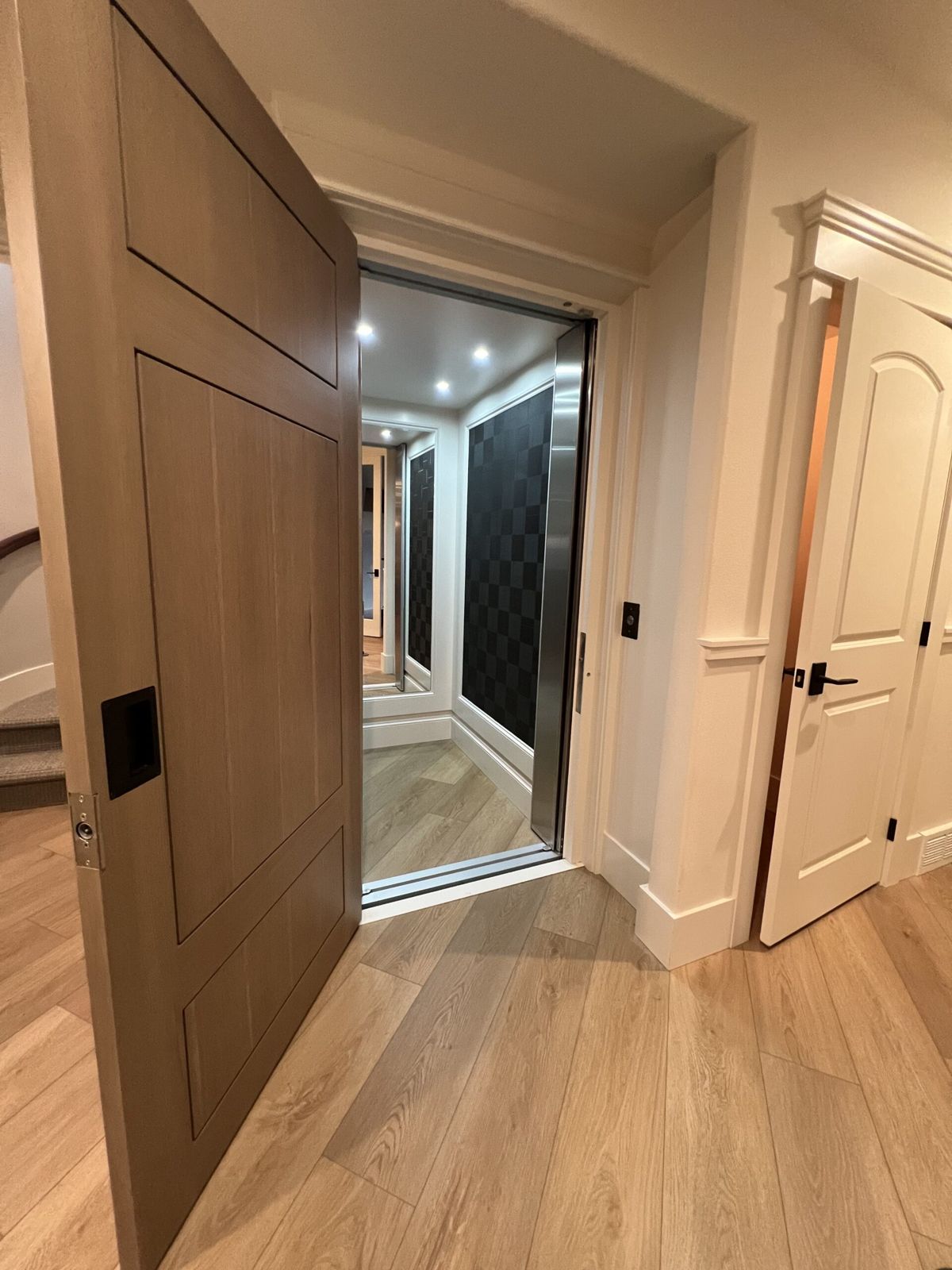
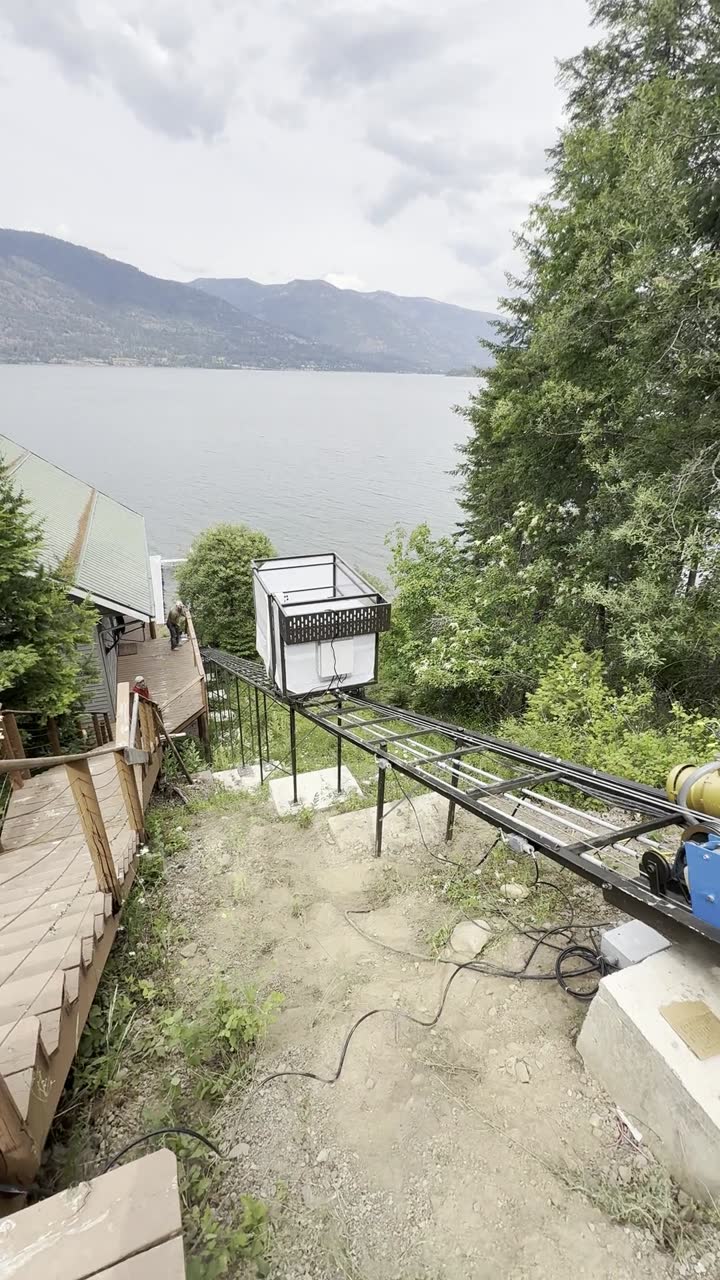
Foothills, Warm Springs and Harris Ranch homes. Multi-level and daylight-basement homes with several flights are where an elevator shines. Separate stairlifts on each flight mean transferring between lifts, which gets old fast.
Two-story builds in Eagle, Meridian and Star. One main staircase is a natural stairlift. If you're building or remodeling, frame a future elevator shaft now. It's inexpensive during construction and keeps your options open.
Ranch homes with a basement. One staircase down to the basement is a classic stairlift job.
Questions to ask yourself
- Can the person riding sit down and stand up safely, now and in five years?
- Is a wheelchair or walker likely?
- How many levels do you really use every day?
- How long do you plan to stay in the house?
- Do you also need help carrying things between floors?
Permits in Boise
Idaho exempts elevators and lifts in private residences from state elevator permits (Idaho Code §39-8606). A home elevator usually still needs a building permit from the City of Boise or your city or county for the shaft and electrical. A stairlift typically needs no permit.
Next step
The fastest way to an answer is a free in-home consultation. We'll measure your stairs and look at where an elevator could go, then lay out both options with written quotes so you can compare.
Common questions
Is a stairlift or an elevator better for a wheelchair user?
An elevator. A stairlift requires the rider to transfer to a seat, and the wheelchair stays at the top or bottom.
Can I put a stairlift on curved stairs?
Yes. A curved stairlift uses a rail made to measure for your staircase. It takes a few weeks to manufacture.
Can you add an elevator to an older Boise home?
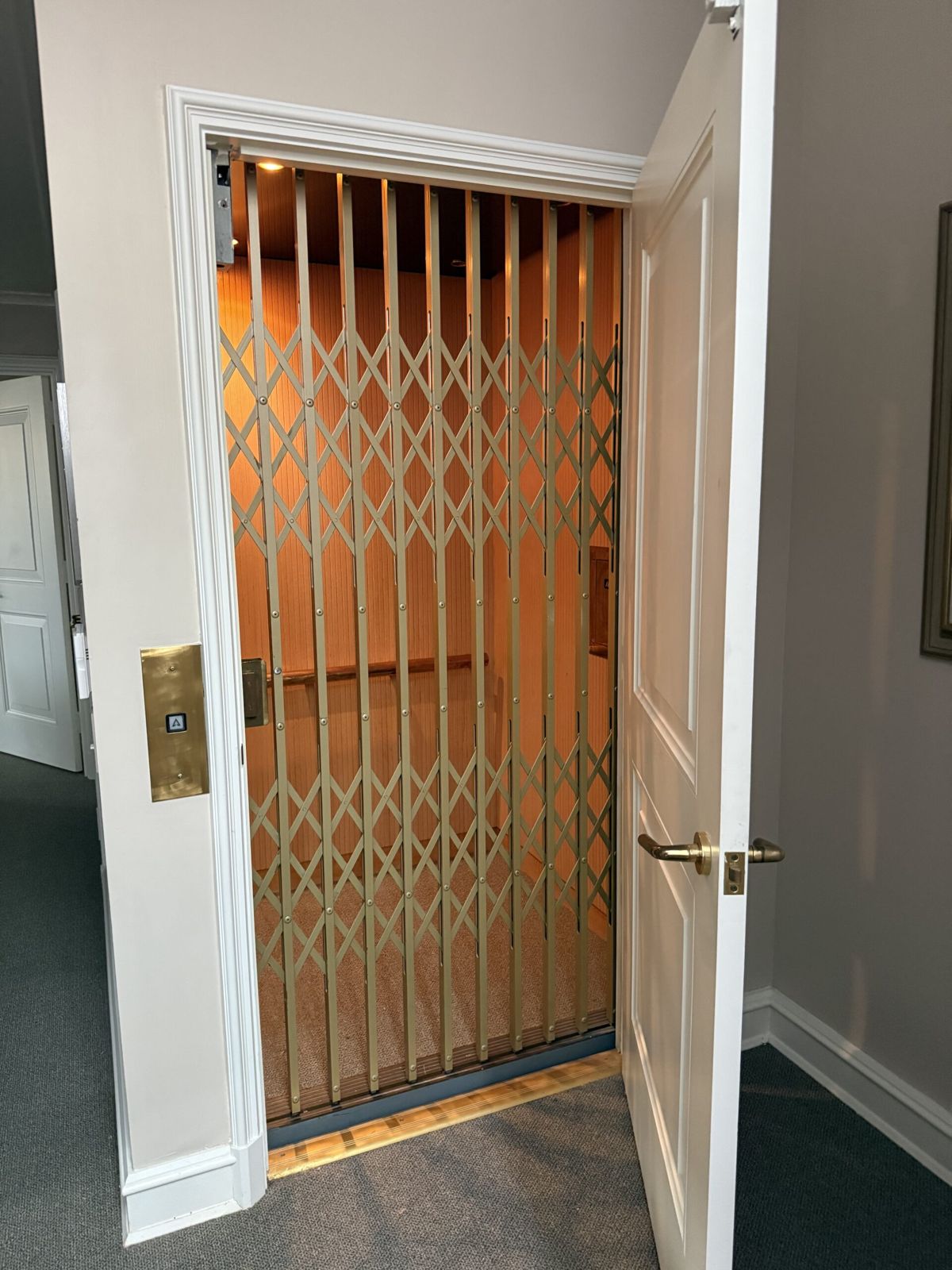
Often, yes. Stacked closets, an exterior shaft or a pneumatic elevator beside the stairs are common solutions. We'll assess your home in person.
Do you serve the whole Treasure Valley?
Yes: Boise, Meridian, Eagle, Star, Kuna, Nampa, Caldwell and nearby communities.