What the state regulates
Montana regulates elevators and other conveyances under Title 50, Chapter 60, Part 7 of the Montana Code, administered by the Department of Labor & Industry. For covered equipment that means registration, permits, inspections and testing.
The private residence exclusion
The state's rules (ARM 24.301.603) say conveyances in private residences, farms or ranches aren't included in the permit requirement. The rule is specific about what counts. The conveyance has to be entirely within one home and used personally by the owner. Equipment the public can access doesn't qualify.
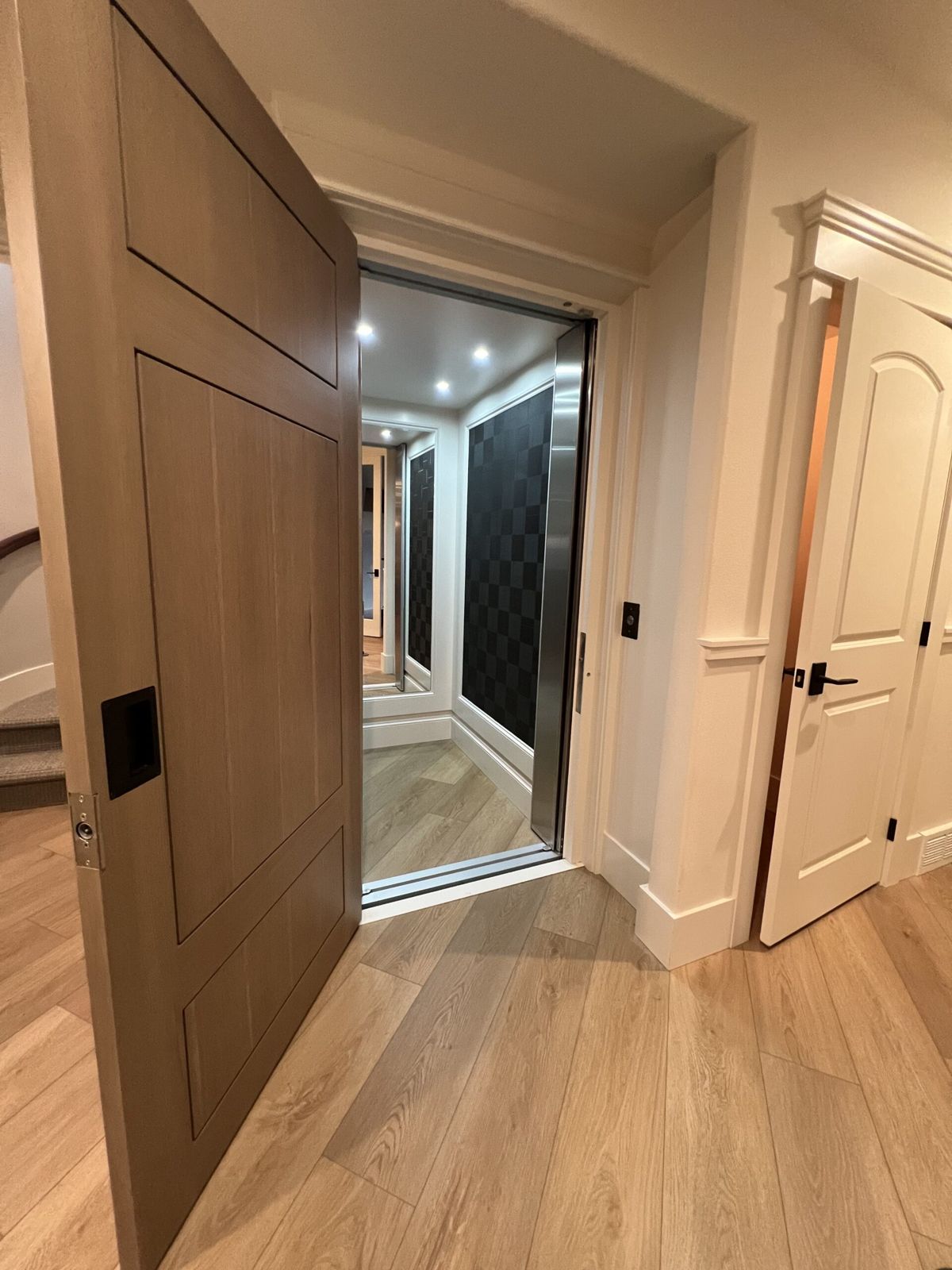
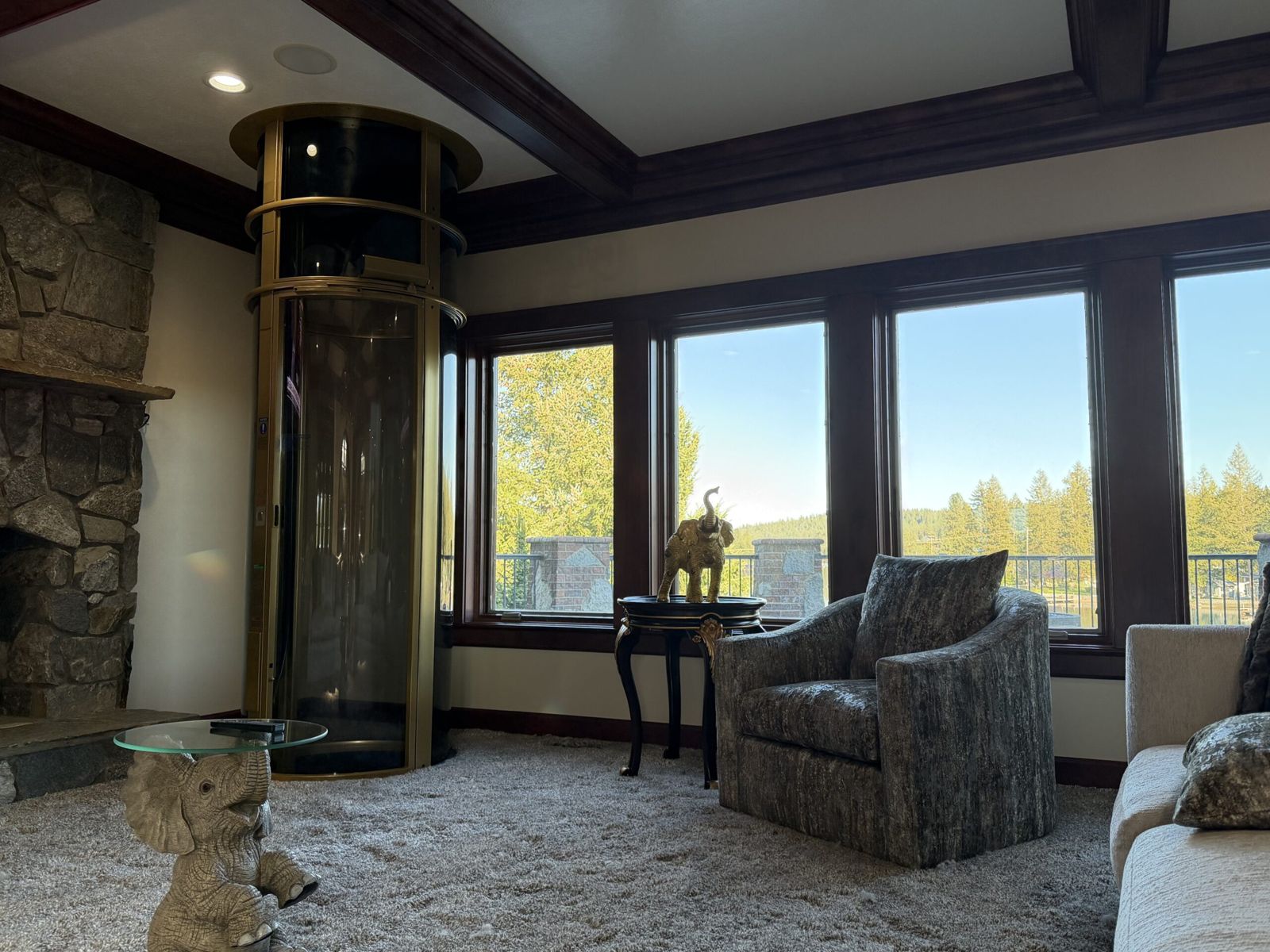
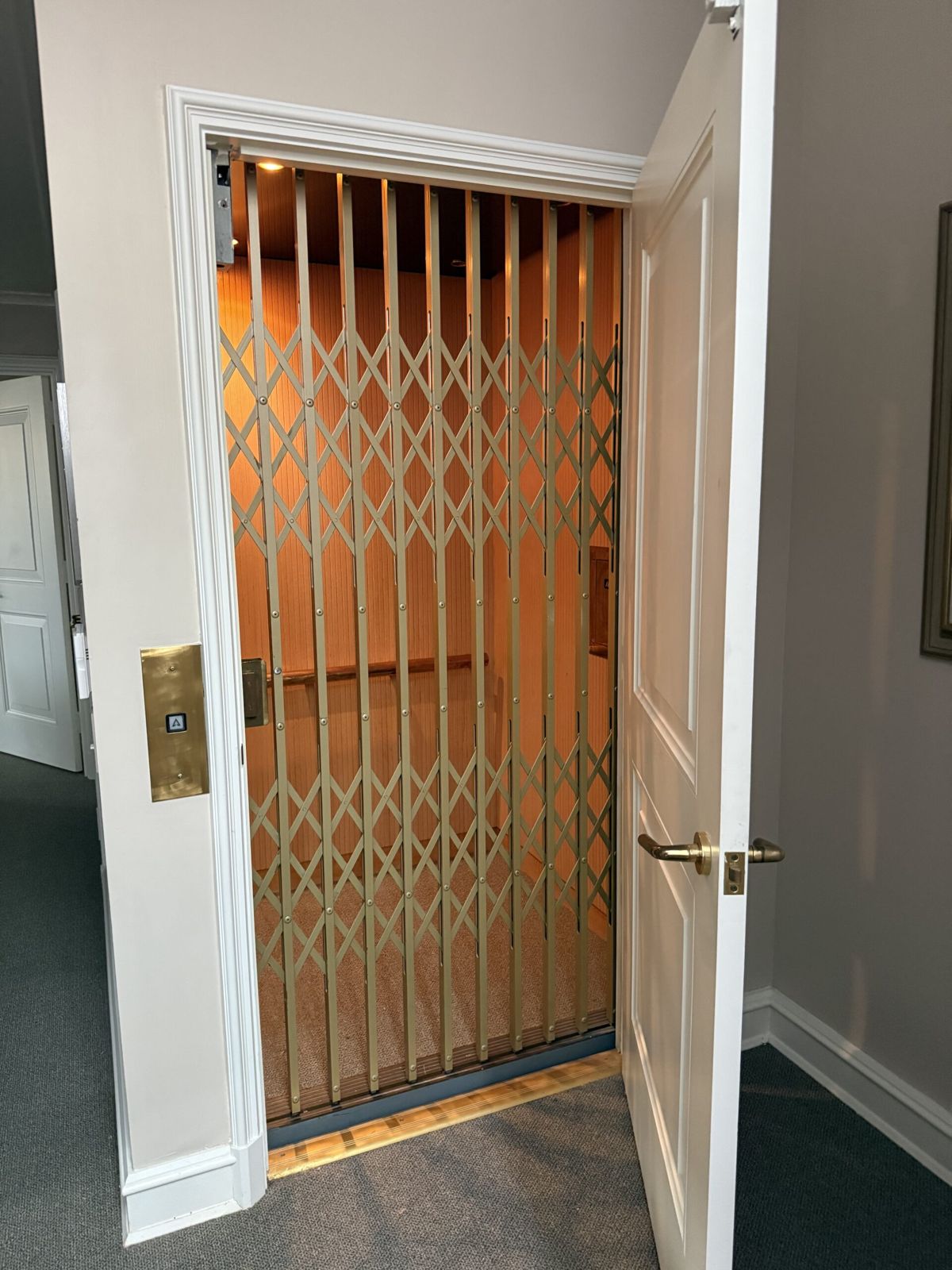
In practice, a home elevator or stairlift in the house you live in won't need a state conveyance permit. A lift in a building the public uses will.
Licensing still applies
Here's where Montana differs from Idaho. Even inside a private home, the same rule says the work must meet the state's elevator contractor, mechanic and inspector licensing requirements (Title 37, Chapter 73). That means the company installing or repairing your elevator needs to be licensed in Montana.
Ask any installer for their Montana license before you sign anything.
Vacation homes and rentals
Many homes around Whitefish, Bigfork and Flathead Lake are second homes, and some are rented to guests part of the year. Because the exclusion is written for equipment "used personally by the owner," an elevator in a home that paying guests use may not qualify. If you rent your place, ask the state before you build.
Local building permits
Building permit rules in Montana vary more than in most states. Cities such as Kalispell and Whitefish run their own building departments and will want to see plans for a new shaft, structural work and electrical. Requirements outside city limits differ, so check with your county.
Lakeshore rules for trams and exterior work
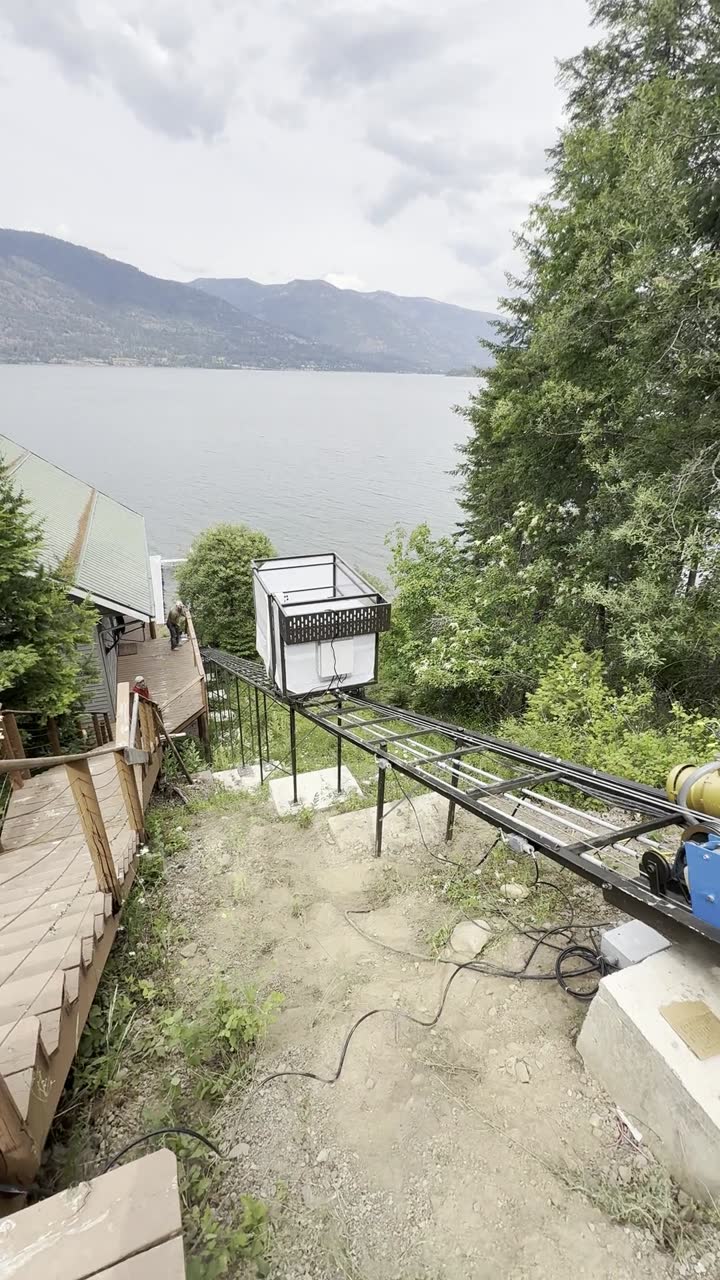
If your project goes near the water, like a hillside tram down to the dock, lakeshore rules come into play. In Flathead County, a Lake and Lakeshore Construction Permit is required for work within the lakeshore protection zone, which extends 20 horizontal feet from the lake at its mean annual high-water mark. The City of Whitefish has its own lakeshore protection rules for Whitefish Lake.
Ranches and outbuildings
The exclusion also covers farms and ranches. A lift in a ranch house, or a freight lift the owner uses in an outbuilding, falls outside state conveyance permitting, though the licensing requirement still applies.
Maintenance is up to you
With no routine state inspection of home elevators, the only check your equipment gets is the one you schedule. Plan on a service visit at least once a year, and keep the records.
Common questions
Does Montana inspect home elevators?
Elevators and lifts used only inside a private home are left out of Montana's state conveyance permitting, so there's no routine state inspection. Local building inspections may still apply to the construction.
Does my installer need a Montana license?
Yes. Montana's rules require elevator contractor and mechanic licensing even for work in private residences, farms and ranches.
Do I need a permit for a tram on Flathead Lake?
Usually. Expect building and electrical permits, plus a Flathead County lakeshore permit for any work within 20 feet of the mean annual high-water mark.
Is a stairlift regulated in Montana?
A stairlift used only in your own home is excluded from state conveyance permitting. Lifts in churches and businesses are a different matter, so ask before you install.