
Home elevators, installed by a local team.
We design, install and service residential elevators for homes across North Idaho, the Treasure Valley and Montana's Flathead Valley, from a closet-sized retrofit in an older house to a custom elevator in a new lake home.
- New builds and existing homes
- Free in-home consultation and written quote
- Local technicians for service after the install
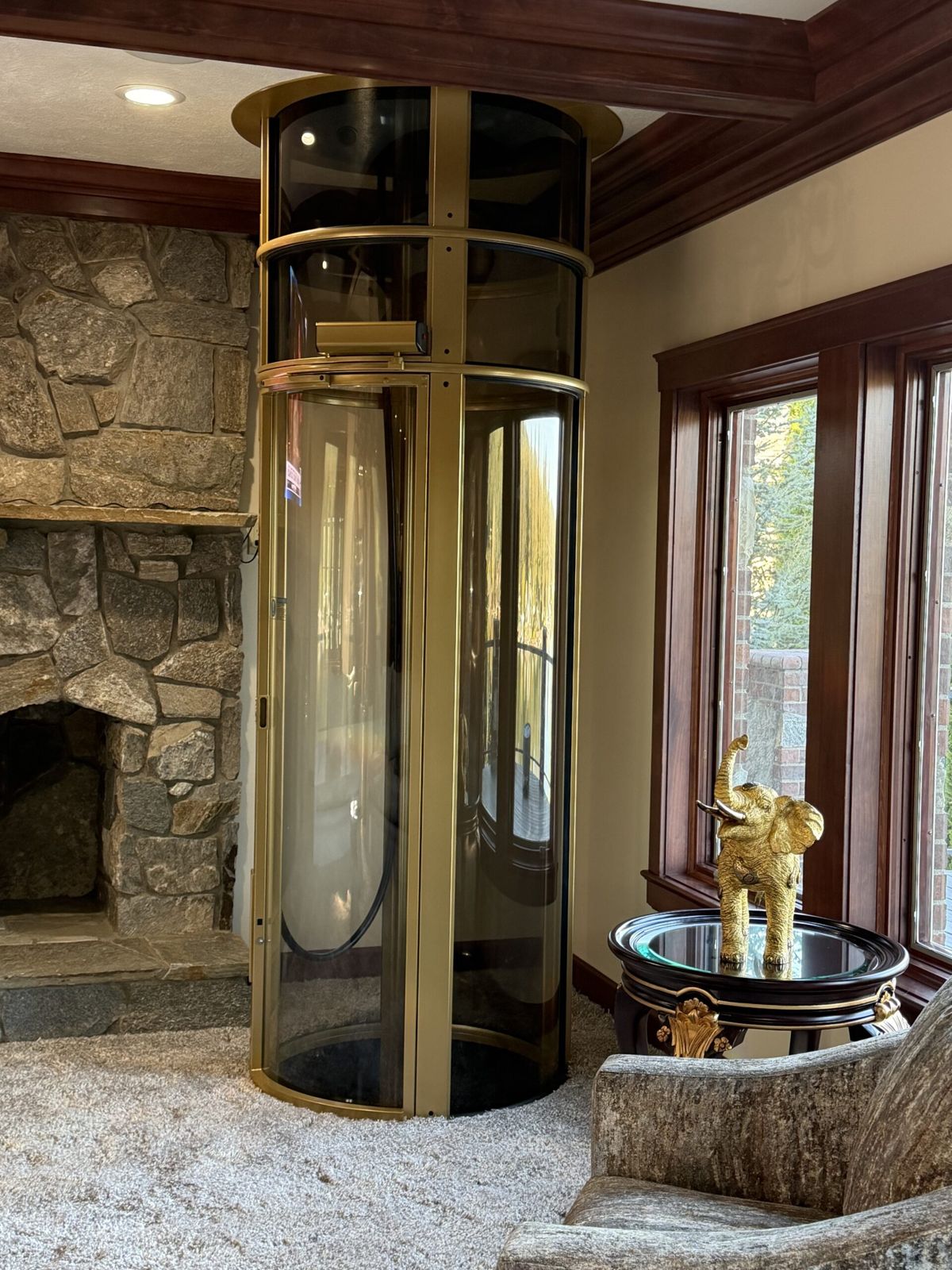
The people who quote it are the people who install it.
Mobility Concepts has been putting elevators and lifts into Inland Northwest homes since 1999. When you call, you reach our Coeur d'Alene office. When we come out, it's to measure your house, look at where an elevator could realistically go, and give you a straight answer about what it will take.
After the install, the same team handles maintenance and repairs. That matters more than most people expect. A home elevator is a long-term piece of equipment, and you want someone nearby who knows it.
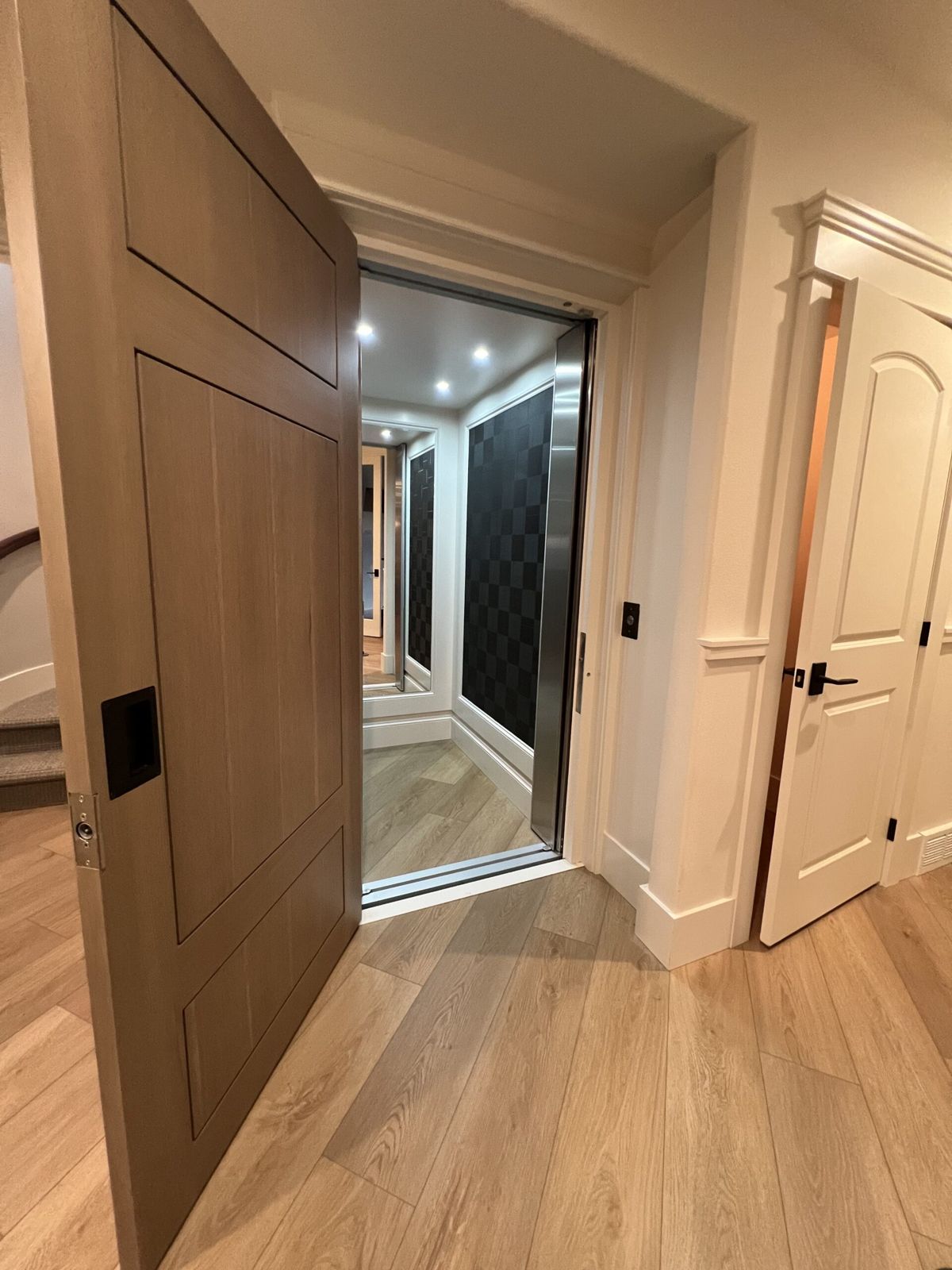
Drive systems we install
The right drive depends on your floor plan, how many floors you need to reach, and how much construction you want to take on. We'll recommend one at your consultation.
Hydraulic
A smooth, quiet ride with plenty of lifting capacity. A popular choice for custom homes. The pump unit needs a small machine space close to the shaft.
Winding drum
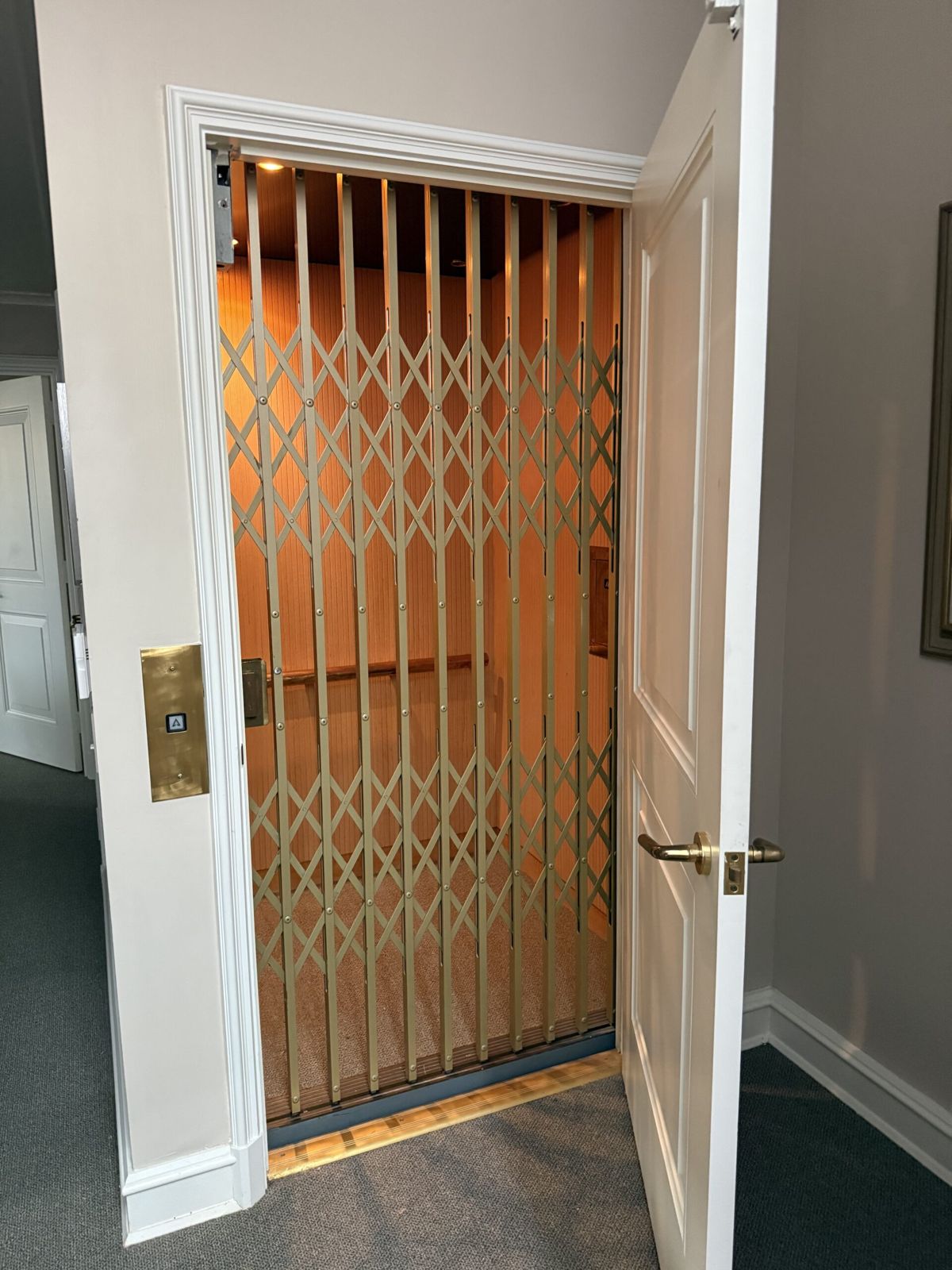
A cable-and-drum drive that usually doesn't need a separate machine room, which makes it a practical fit for many existing homes.
Counterweighted electric
An efficient electric drive balanced by a counterweight. Smooth starts and stops and a compact footprint.
Pneumatic (vacuum)
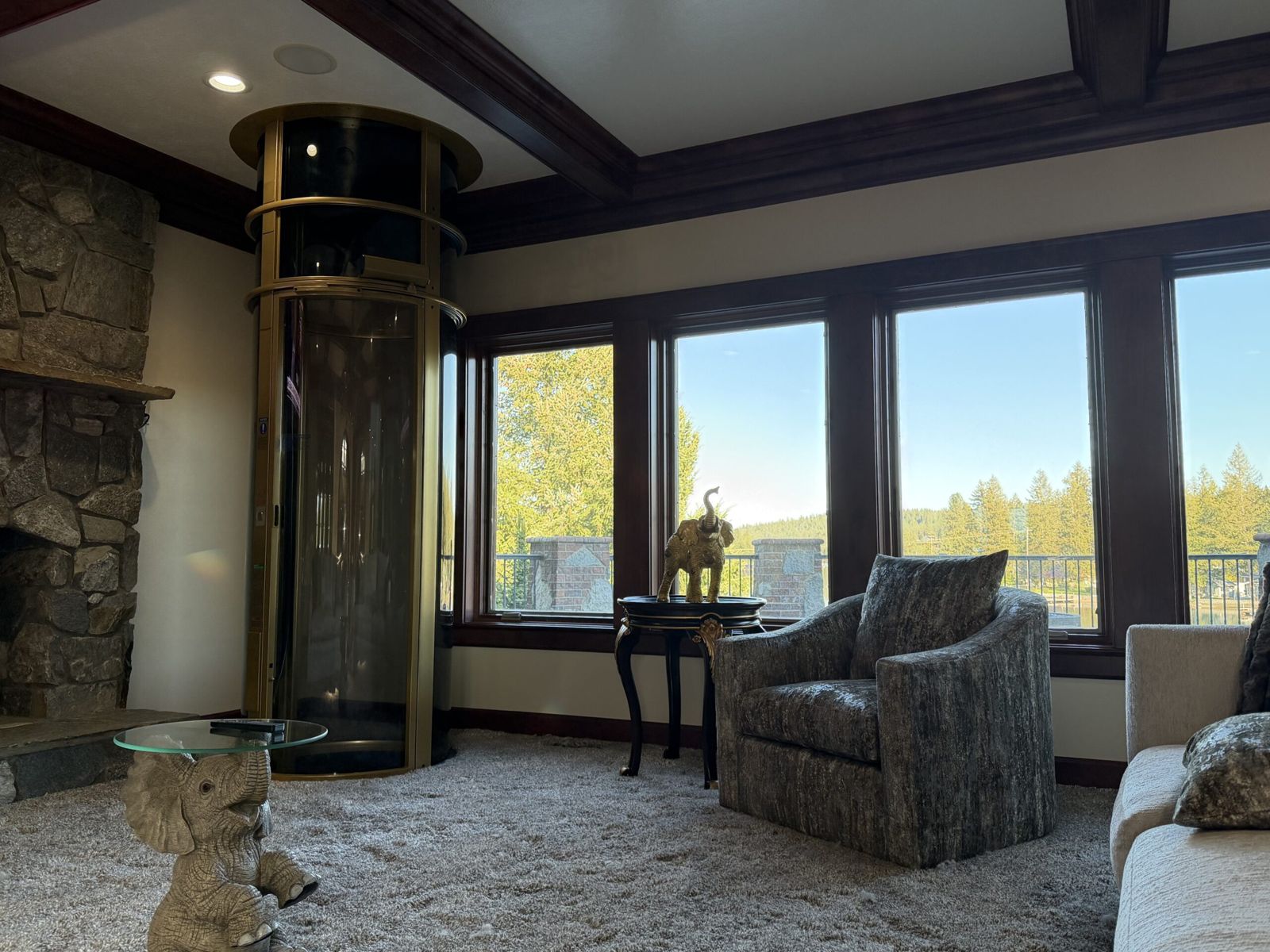
A round, see-through elevator that moves on air pressure. No pit and no machine room, and it can sit right beside a staircase or in an open room.
Real installs, real homes
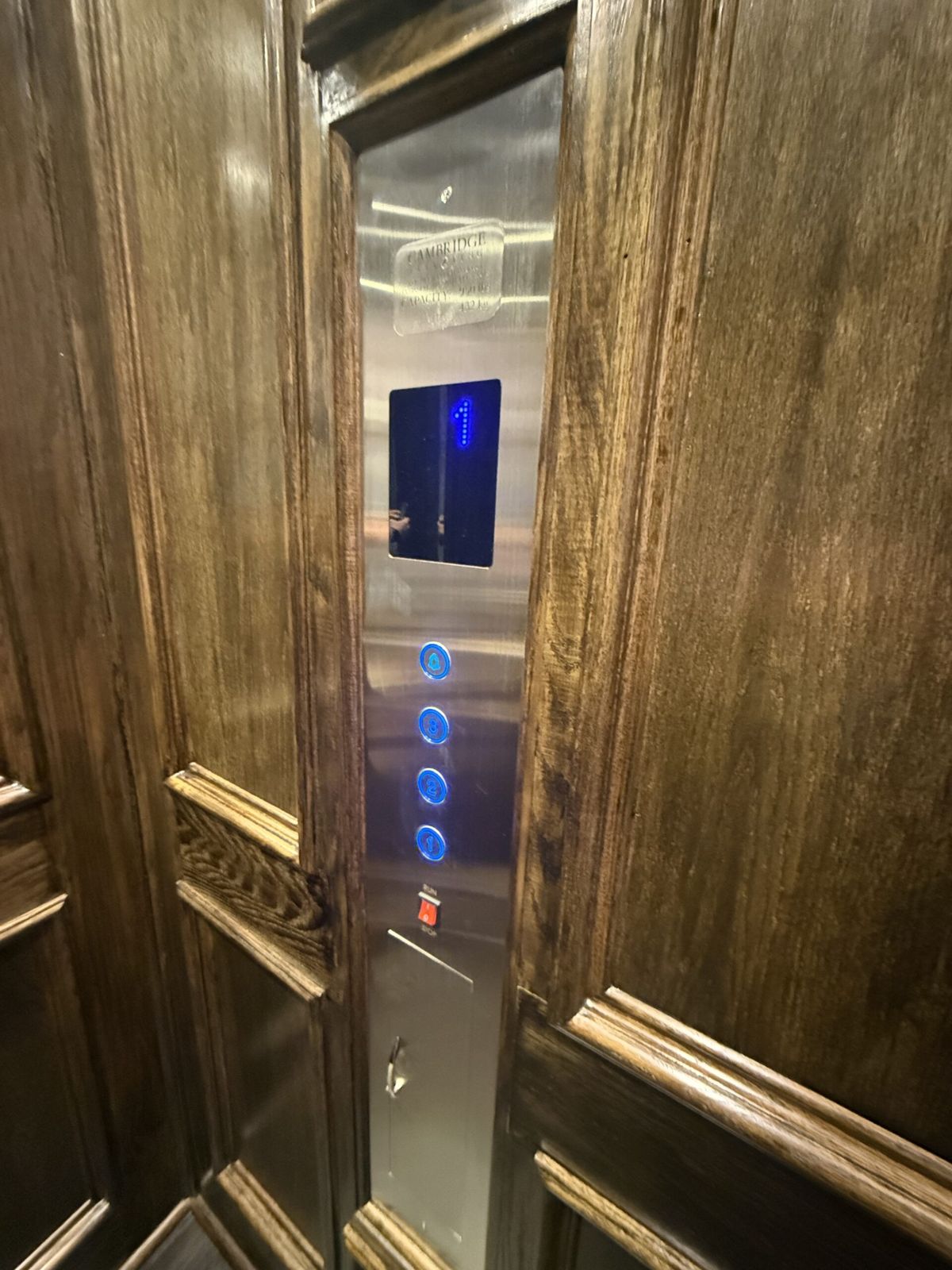
From first call to finished install
Free consultation
We come to your home, measure, look at the space and talk through who will use the equipment and how.
Recommendation & quote
You get a clear recommendation and a written quote. No pressure and no surprise add-ons later.
Professional install
Our crew installs and tests everything, then walks you through how it works before we leave.
Ongoing service
Our local technicians handle maintenance and repairs for as long as you own it.
Where an elevator can go in your house
Most people assume they don't have room. Usually there's an option. These are the four we see most often.
Stacked closets
If you have closets lined up floor over floor, that's often the simplest path. We open them up into a single shaft with a door on each level.
A corner of the garage
In a lot of North Idaho and Montana homes the garage sits a level below the kitchen. An elevator that starts in the garage takes care of groceries, luggage and firewood as well as the stairs.
Outside the house
An exterior shaft built onto the side of the home leaves your interior rooms alone. It's a common answer for lake houses and homes with no closet stack.
Beside the stairs
A pneumatic elevator can stand in the open next to a staircase or landing, with no pit and no framed shaft.
What affects the price of a home elevator
We don't publish a one-size price because two elevators can differ a lot. Your written quote will reflect these factors:
- Drive system (hydraulic, winding drum, electric or pneumatic)
- Number of floors and stops
- Cab size and door layout
- Finishes: laminate, wood panels, glass, fixtures
- How much building work the shaft needs
- Whether the home is new construction or a retrofit
Permits and inspections, state by state
Idaho
Idaho's Elevator Safety Code Act exempts elevators located in private residences from state elevator permits and inspections (Idaho Code §39-8606). Your city or county building department still reviews the framing, structural and electrical work, and the equipment we install is built to the national residential elevator standard, ASME A17.1.
Montana
Montana's elevator rules leave equipment that sits entirely inside a single private home out of state conveyance permitting, but the work still has to be done by state-licensed elevator contractors and mechanics. Your county or city may also want plans for the shaft and framing.
Eastern Washington
In Washington, residential elevators need an installation permit and inspection. Inside Spokane city limits that comes from the City of Spokane; elsewhere it's the Department of Labor & Industries.
We'll tell you which permits your project needs and coordinate with your builder or contractor.
Based in Coeur d'Alene. Serving Idaho & Montana.
We also serve Eastern Washington. Don't see your town? Ask us.
Related services
Stairlifts
Straight, curved and outdoor stairlifts from an authorized Stannah dealer in Coeur d'Alene.
Learn moreElevator & Stairlift Repair
Local technicians for home elevator, stairlift, platform lift and tram repair and maintenance, including brands we didn't install.
Learn moreHillside Trams
Hillside trams for steep lake lots on Lake Coeur d'Alene, Pend Oreille, Flathead and Whitefish Lake.
Learn moreFrom our blog
Do You Need a Permit for a Home Elevator in Idaho?
Idaho exempts elevators in private homes from state elevator permits, but local building permits still apply. Here's what Idaho homeowners need to know.
Read more
Montana Home Elevator Rules: Permits, Licenses & Inspections
Montana leaves elevators in private homes out of state permitting, but installers still need a state license. What Flathead Valley homeowners should know.
Read more
Adding an Elevator to a North Idaho Hillside Home
Garage on the bottom, kitchen two floors up? How elevators fit into hillside and walkout homes in Coeur d'Alene, Sandpoint and the Schweitzer area.
Read moreCommon questions
Can you add an elevator to an existing home?
Often, yes. Winding drum and pneumatic elevators in particular fit many existing homes, and stacked closets, a garage corner or an exterior shaft are all common solutions. We'll look at your home during the free consultation and tell you what's realistic.
How much space does a home elevator need?
A standard residential cab needs a shaft roughly the size of a small closet, about 4 by 5 feet. Pneumatic elevators need less. Exact dimensions depend on the model, cab size and door layout, and we provide planning drawings for your builder.
Do I need a pit?
Most traditional home elevators need a shallow pit, typically about 10 to 12 inches. Pneumatic elevators sit right on the finished floor with no pit. If digging a pit isn't practical, we'll point you to the options that avoid it.
What happens if the power goes out?
Our home elevators include battery backup with emergency lowering, so the cab can bring riders down to a floor and open the door during an outage.
How long does installation take?
Once the shaft is framed and ready, installing the elevator itself usually takes about a week. Ordering the equipment, permits and any construction add time, so we'll give you a realistic schedule with your quote.
Do you service elevators you didn't install?
Yes. Our technicians service many residential elevator brands. Call with the make and model and we'll let you know.
Does a home elevator add value?
It can. An elevator makes a multi-level home workable for buyers of any age and ability, which widens the pool of people who can live there comfortably.
Thinking about an elevator?
Book a free in-home consultation. We'll look at your floor plan and tell you where an elevator could go and what it would take.